
Bumble Bee
Bumble bees are a familiar sight in meadows, hedgerows, and gardens, quietly pollinating crops and wildflowers. In recent years, as awareness of biodiversity and environmental stewardship has increased, the bumblebee has become a symbol of ecological health. Their gentle hum and hard-working nature are now celebrated in schools, local heritage parks, and conservation efforts. The bumblebee’s cultural role today blends traditional respect for nature with modern environmental awareness. It reminds communities—especially younger generations—of the importance of small creatures in sustaining life, making the bumblebee both a natural helper and a quiet cultural icon of Milltown’s living heritage.
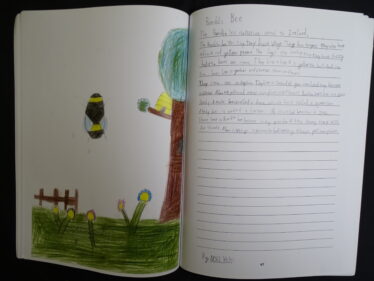
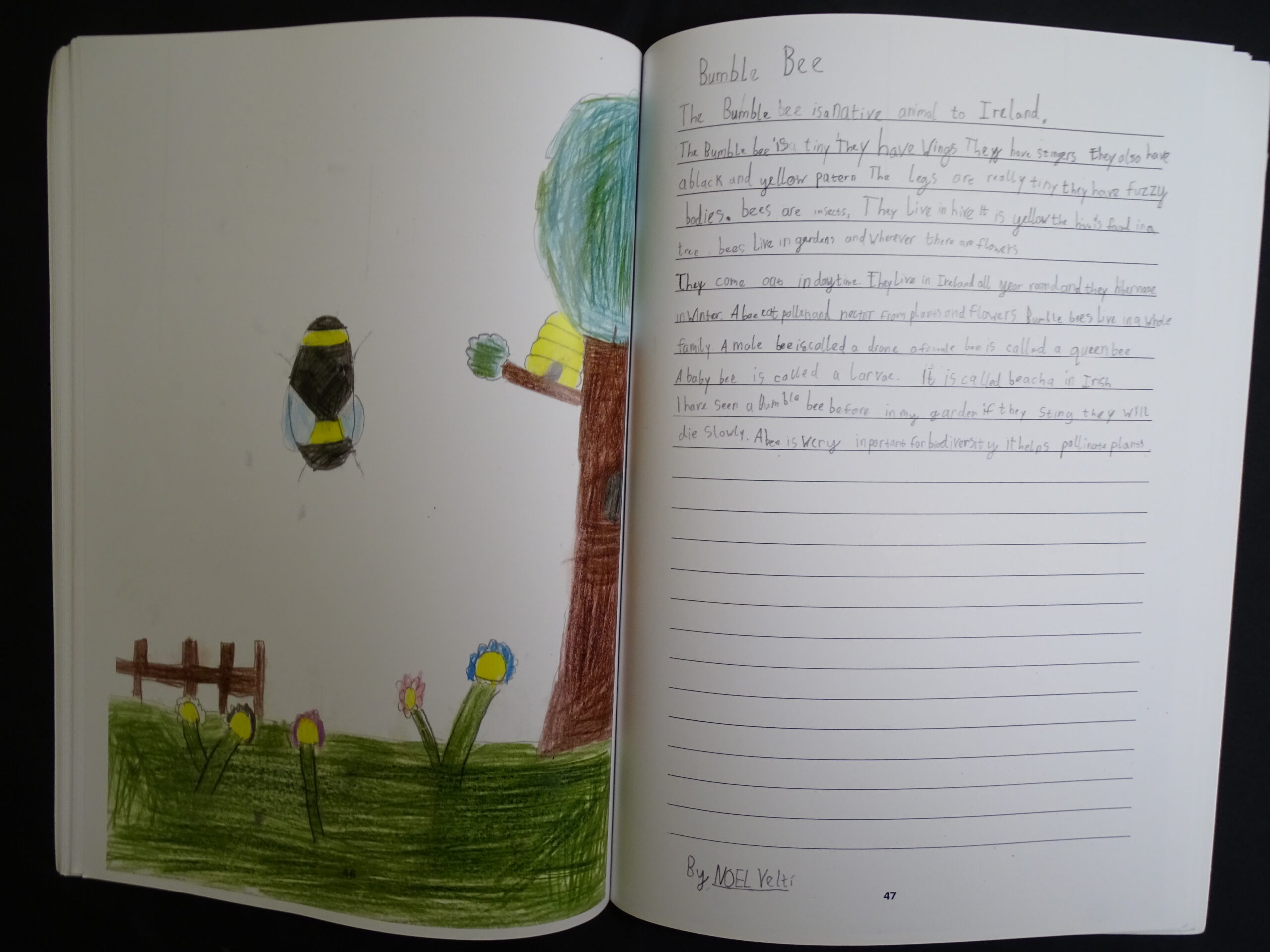
Here are some fun facts based on Noel Velti’s great work on bumble bees:
🐝 Bumble bees are native to Ireland – you can find them buzzing around gardens, fields, and hedgerows!
🌼 They love flowers – bumble bees eat nectar and pollen, and help pollinate plants as they go.
🖤💛 They have fuzzy black and yellow bodies – perfect for keeping warm and carrying pollen!
👑 Girl power! – Only female bees can sting, and the queen bee is the boss of the hive.
🐝 Tiny but mighty – their legs are small, but they do big work for nature!
❄️ They hibernate in winter but come out during the day in warmer seasons.
🏡 They live in family groups with queens, drones (males), and larvae (babies).
🌍 Bees are biodiversity heroes. They help plants grow, which feeds animals and people!
In Irish, a bumble bee is called a “beacha” – a beautiful name for a busy insect.
⚠️ One sting and they slowly die, that is why bees only sting if they really have to.
No Comments
Add a comment about this page