
Seal
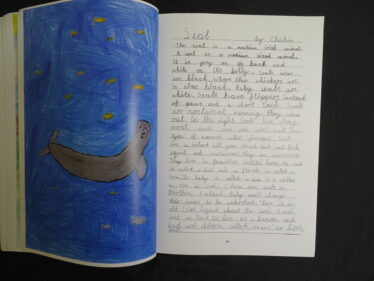
Seals hold a deep and enduring place in folklore, mythology, and coastal tradition in Ireland. Known in Irish as rón, seals were often seen as mysterious and otherworldly creatures, especially in the rich oral traditions of coastal and island communities. The most famous legends are those of the selkies, mythical beings who could shed their seal skins to become human. These stories, shared across Ireland and Scotland, often tell of selkies marrying humans, only to return to the sea if their seal skin was ever found. Seals were both respected and feared, seen as liminal animals that moved between worlds. Even today, seals are a familiar presence along Ireland’s shores and a favourite among wildlife watchers. They are also protected by law, reflecting both their ecological importance and their cherished role in Ireland’s cultural and natural heritage.
🦭 Fun Facts About Seals (Rónta in Irish)
-
Two Common Species
Ireland is home to two types of seals:-
Grey Seal (Halichoerus grypus)
-
Harbour/Common Seal (Phoca vitulina)
-
-
Seal pups are born with fluffy white coats. Grey seal pups are especially cute and look like soft toys!
-
Seals are marine mammals. They breathe air like us, but can hold their breath underwater for up to 30 minutes while hunting.
-
They love fish, squid, and sometimes crabs. They are great underwater hunters!
-
Seals love to rest on rocks or sandy beaches. These “haul-out” spots are where they sunbathe, breed, and moult.
-
Though they look clumsy on land, their flippers help them swim fast and turn quickly underwater like underwater acrobats!
-
Seals can bark, moan, and growl — especially during mating season. They have a wide range of funny and eerie sounds.
-
In Irish, the word for seal is “rón”, and the plural is “rónta”.
Cultural Significance of Seals in Irish Culture
Seals are deeply woven into Irish folklore and coastal tradition:
🧜♀️ The Selkie Legend
In Irish and Scottish mythology, selkies are magical beings who live as seals in the sea but can shed their skins to become human on land. Stories of selkies often involve love, longing, and mystery reflecting the deep emotional bond between coastal communities and the sea.
🐚 Guardians of the Sea
Fishermen believed seals were enchanted or sacred, sometimes seeing them as souls of those lost at sea. Harming a seal was thought to bring bad luck.
🎭 Storytelling and Music
Selkies and seals feature in seanchaí tales, traditional songs, and even modern Irish literature and film, symbolising transformation, loss, and connection to nature.
🌊 Living Heritage
Today, seals remain part of the cultural and natural landscape of Ireland’s coasts particularly around the Wild Atlantic Way, where they are both awe-inspiring wildlife and keepers of ancient tales.
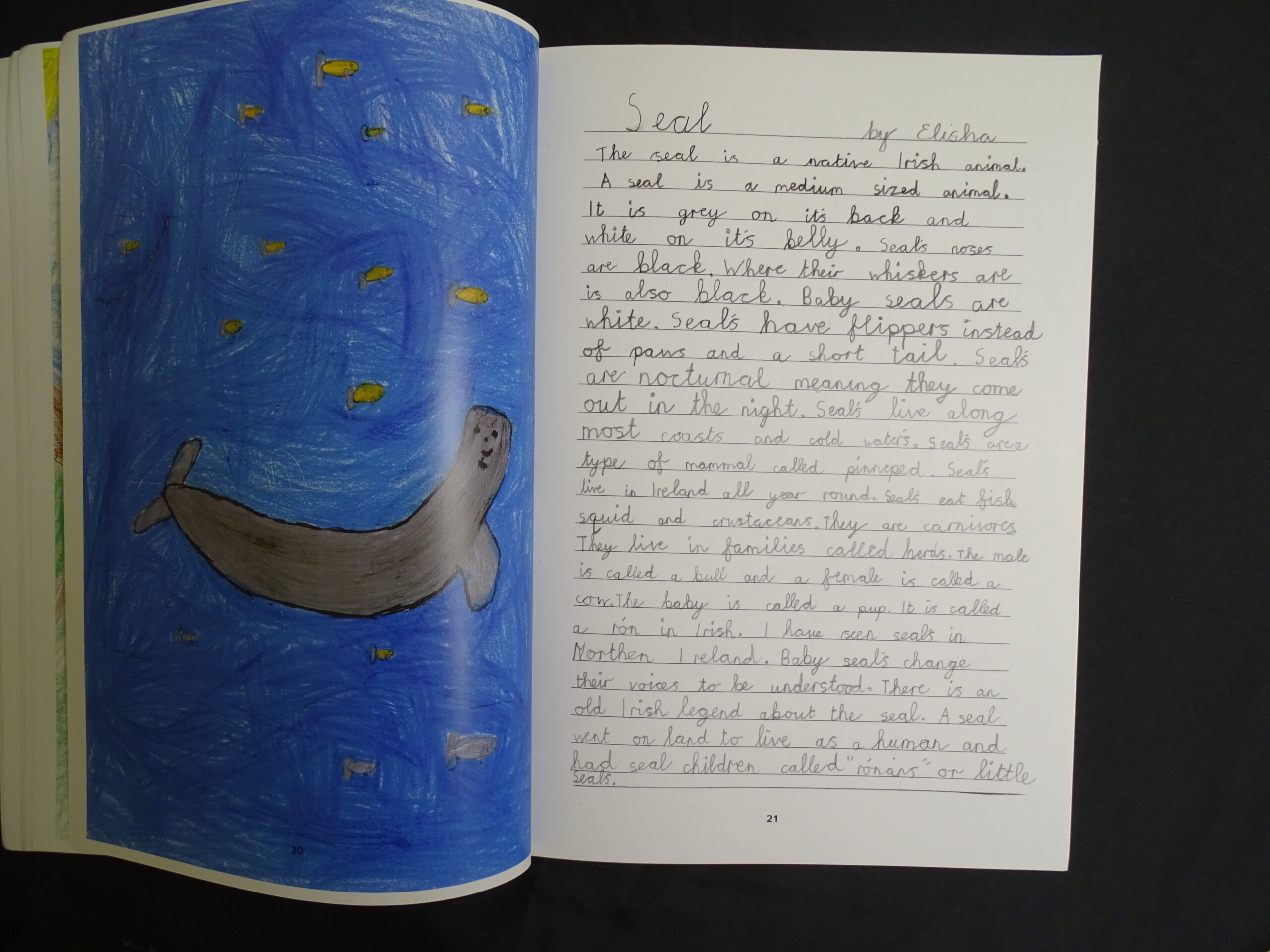
Source: The seal is a native Irish animal. A seal is a medium sized animal. It is grey on its back and white on its belly. Seals’ noses are black. Where their whiskers are is also black. Baby seals are white. Seals have flippers instead of paws and a short tail. Seals are nocturnal meaning they come out in the night. Seals live along most coasts and cold waters. Seals are a type of mammal called pinneped. Seals live in Ireland all year round. Seals eat fish, squid and crustaceans. They are carnivores. They live in families called herds. The male is called a bull and a female is called a cow. The baby is called a pup. It is called a ron in Irish. I have seen seals in Northern Ireland. Baby seals change their voices to be understood. There is an old Irish legend about the seal. A seal went on land to live as a human and had seal children called ronans or little seals.
No Comments
Add a comment about this page